

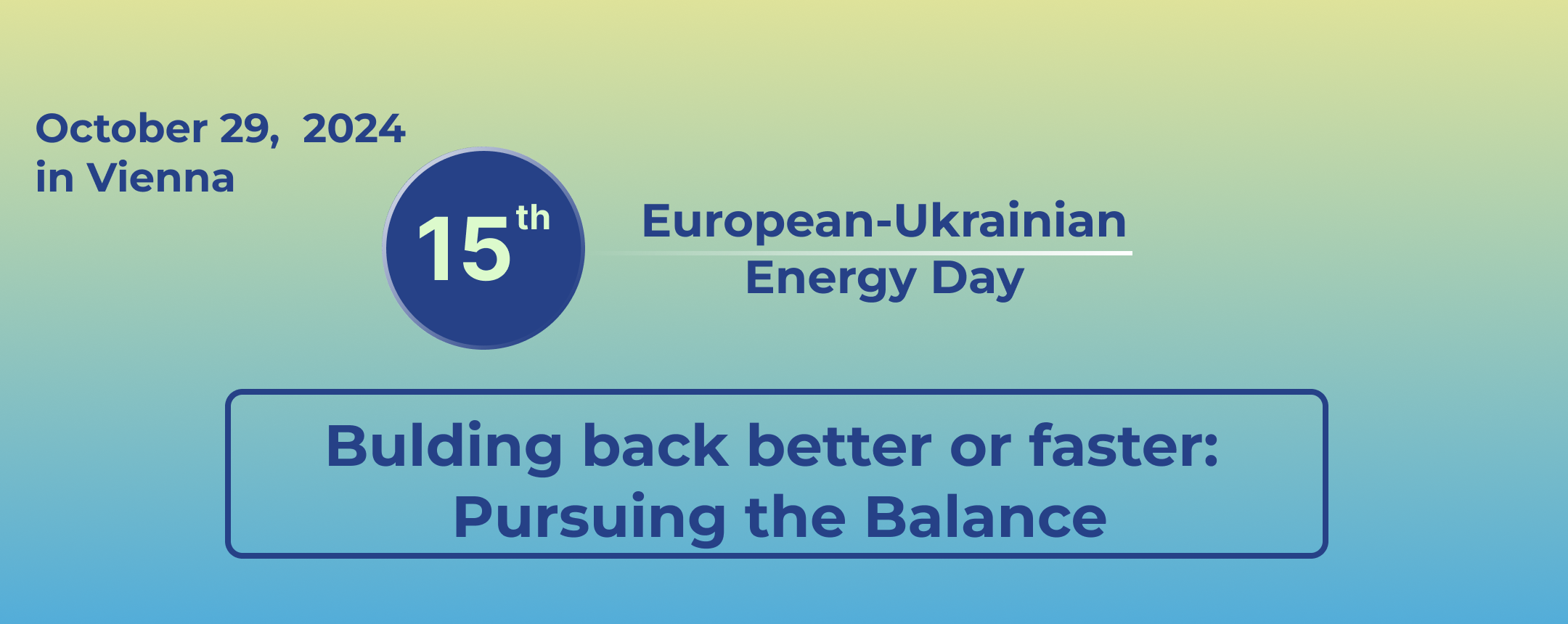
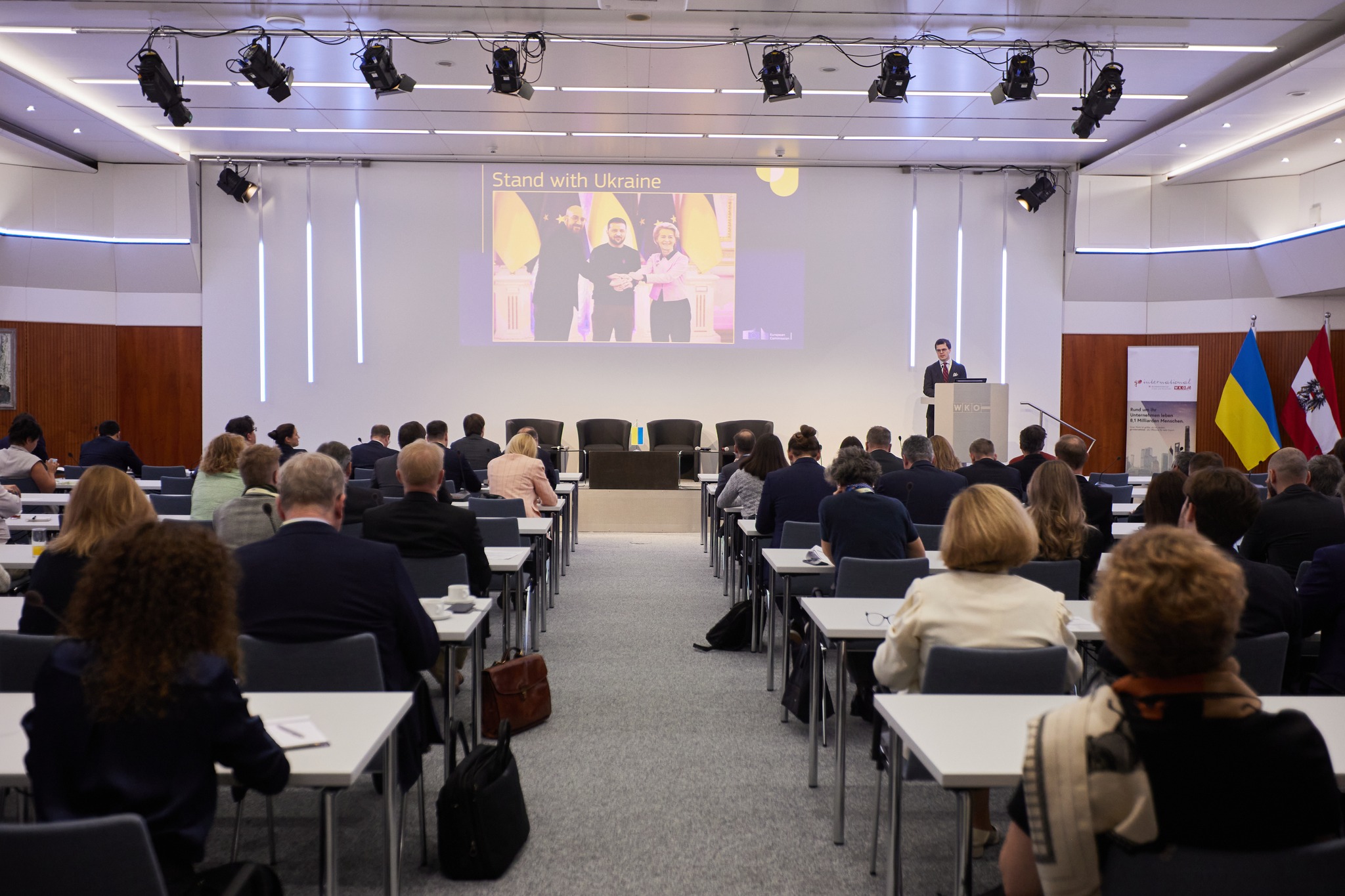
On October 29, 2024, the European-Ukrainian Energy Agency (EUEA), together with WKO and Advantage Austria, organized the 15th “European-Ukrainian Energy Day.” For the third time, the annual event took place in Vienna instead of Kyiv due to the war. Decision-makers from the Ukrainian and international energy industries and policies, representatives of the European Commission, UNIDO, international financial institutions (EIB, IFC, EBRD), Greenpeace, and other NGOs participated in various panels to discuss lessons learned for Ukraine’s energy and infrastructure sectors after almost three years of russian aggression, as well as how to develop long-term perspectives under uncertain conditions.
In his opening statement, Karlheinz Kopf, Secretary-General of the Austrian Economic Chamber, highlighted Ukraine’s immense potential for renewable energy. He stressed the importance of utilizing the opportunities available to Austrian and international companies. Austrian firms, pioneers in renewable energy, are ready to contribute their solid expertise to the reconstruction of Ukraine’s energy sector. The focus, he said, is not only on energy production but also on creating resilient energy infrastructure and sustainable economic growth driven by innovation and investment. The emphasis was on how this development could be successfully implemented.
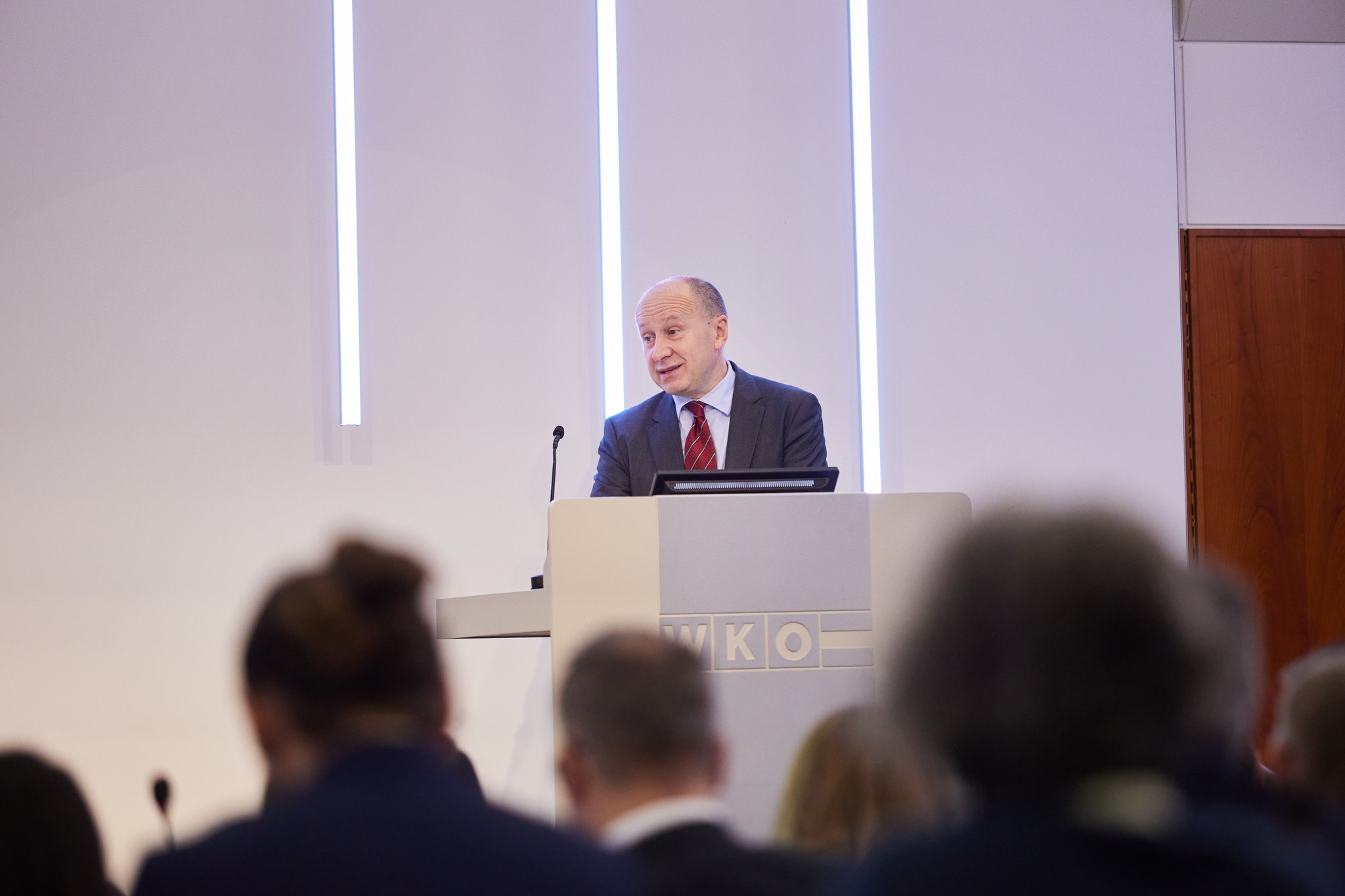
Regarding the event’s theme, “Building Back Better or Faster: Pursuing the Balance,” Ukrainian Ambassador to Vienna Vasyl Khymynets emphasized that time is a critical factor in reconstruction. Rebuilding must happen now, as the destroyed energy infrastructure and the approaching winter make the situation even more precarious for the population. Mats Lundin, Chairman of the EUEA Board, urged attendees to continue working towards a better future with confidence, despite the pessimistic outlook.
Giuseppe Grimaldi of the EBRD stressed that Ukraine’s reconstruction must also focus on preparing the country as a candidate for EU membership. In this context, the energy sector must prioritize the “build back better” principle, shifting away from fossil fuels and dependencies toward renewable energy sources and local production. Although such a shift requires significant investment, it would eventually become an attractive “business case” for the private sector.
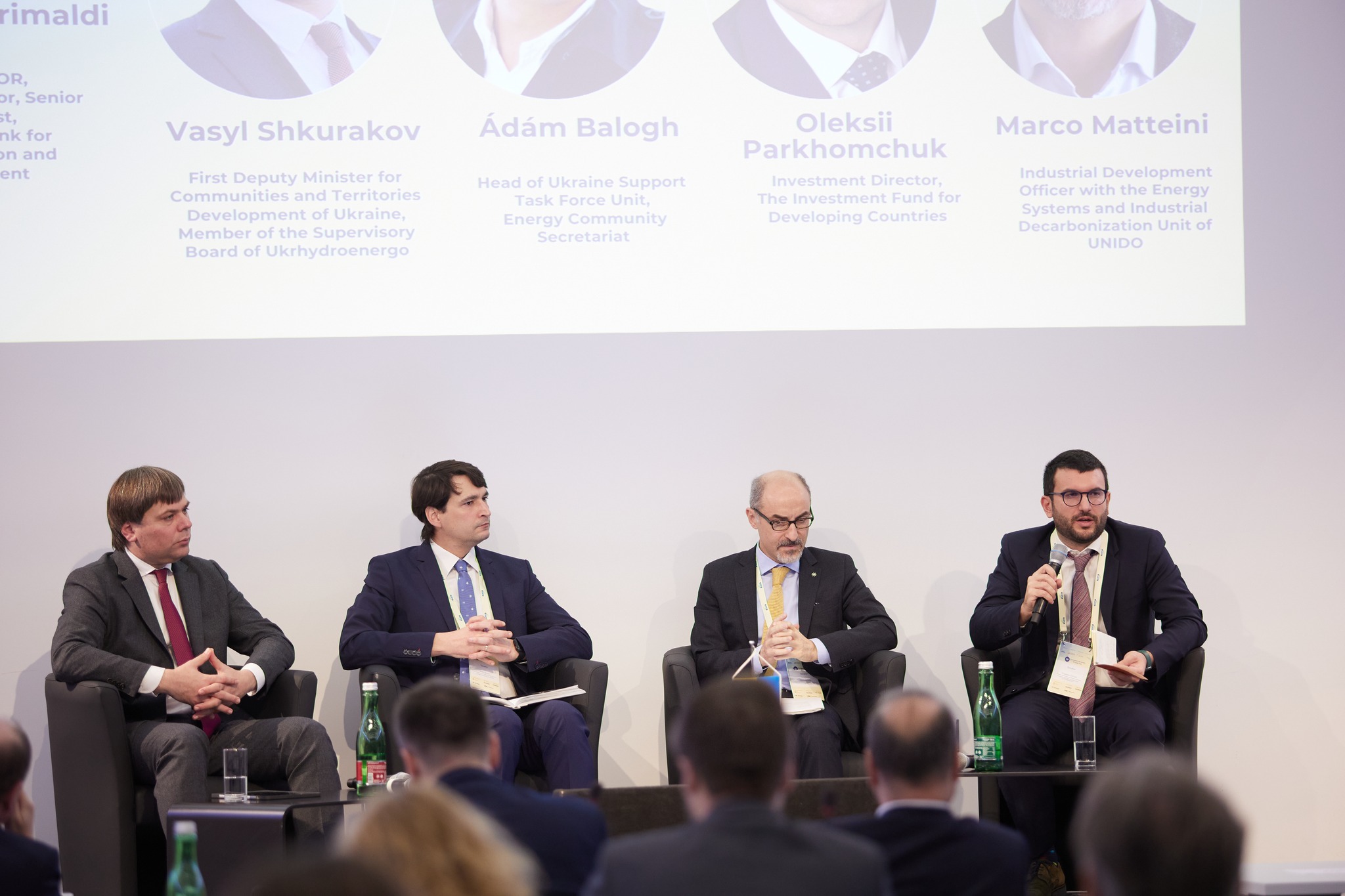
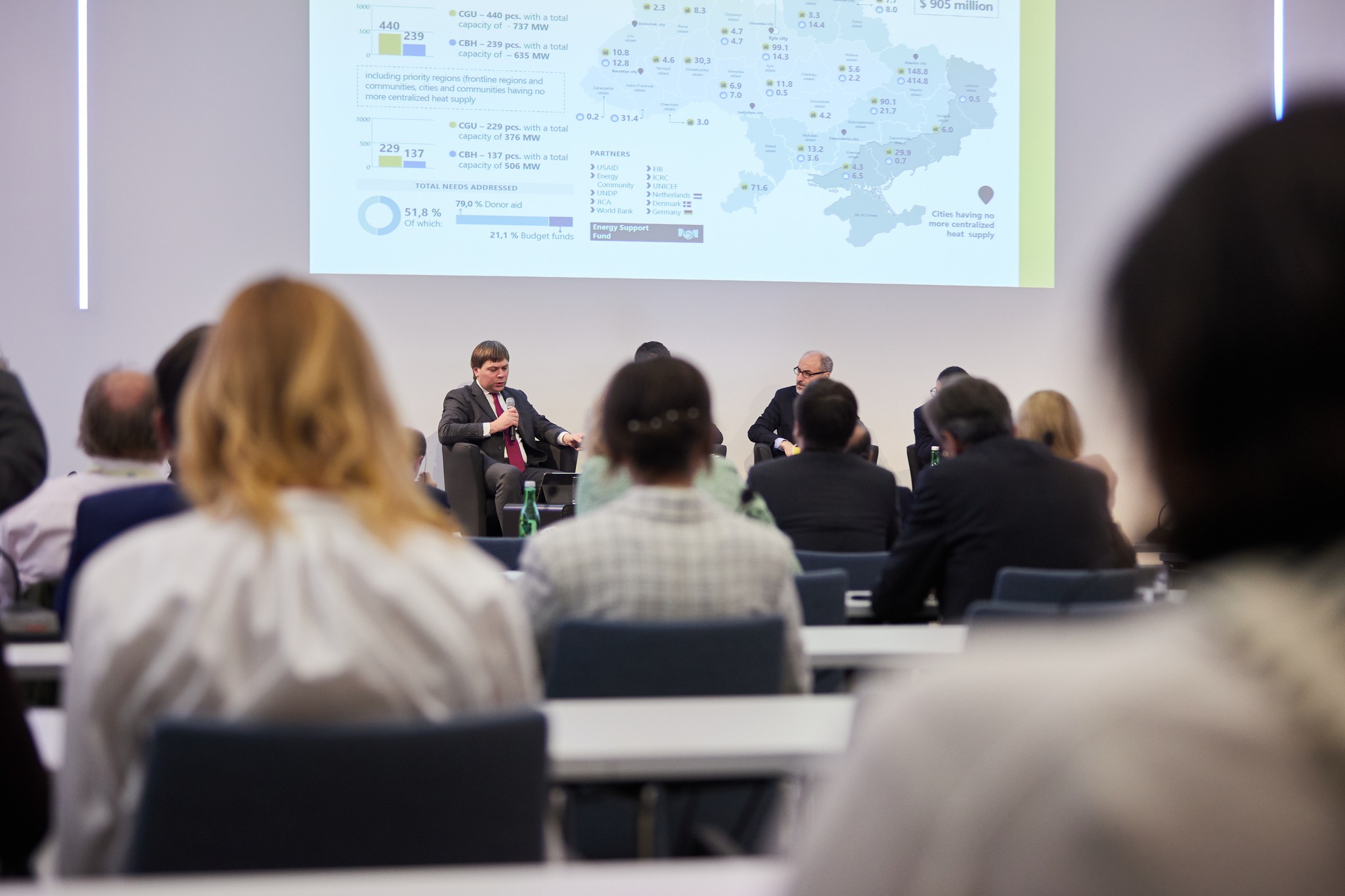 Vasyl Shkurakov, First Deputy Minister for Communities and Territorial Development of Ukraine, underscored the importance of decentralization during the reconstruction and modernization of the energy infrastructure. He noted that enhancing the autonomy of communities reliant on energy supplies is crucial. Currently, large regions are supplied by individual power plants managed centrally, and their destruction has far-reaching consequences. Decentralizing both energy supply and management, along with delegating responsibilities to municipalities and smaller regions, is essential for ensuring resilience.
Oleksii Parkhomchuk from the Investment Fund for Developing Countries shared his experience with ongoing renewable energy projects in Ukraine. According to him, these projects are progressing better than expected. Challenges are not primarily related to financing—sufficient funding options are available—but rather to the security situation, unresolved insurance issues, inconsistent policies from Ukrainian authorities, and a lack of technical expertise. Andreas Hebel, Managing Director of CES Clean Energy Solutions, expressed confidence that “building back better and greener” is achievable, especially through recognized certification mechanisms that guide project development and implementation while ensuring greater transparency.
Marco Matteini, Industrial Development Officer with the Energy Systems and Infrastructure Division at UNIDO, participated in the Opening Panel titled “Lessons Learnt for Ukraine’s Energy and Infrastructure Sector Through Almost 3 Years of Full-Scale War” at the 15th European-Ukrainian Energy Day. The panel addressed key topics, including Ukraine’s resilience over the past 2.5 years, the lessons learned, and strategies for moving forward. Participants discussed donor coordination beyond emergency repairs, investment strategies to identify past missteps and necessary corrections, and setting realistic short- and mid-term priorities for policy changes.
During the panel discussion “Building Back Better – Opportunities and Challenges on the way,” Serhiy Porovskyy, Principal Expert on Energy Efficiency Financing and Policy at UNIDO, highlighted the critical importance of linking financing mechanisms with capacity building to advance industrial energy efficiency in Ukraine. Representing UNIDO’s decade-long efforts in the country, he outlined the success of training over 200 high-level specialists in energy management and energy system optimization, which have become benchmarks for other organizations. Serhiy Porovskyy emphasized the profitability of industrial energy efficiency. A key achievement shared was the implementation of a Loan Guarantee Fund (LGF), a revolving financial mechanism that enabled commercial banks to issue loans under favorable conditions, despite wartime challenges. This fund, backed by robust technical capacity and donor support, has successfully issued loans to drive energy efficiency projects, but its limited scale and short durations reveal the need for further expansion. Concluding, Porovskyy stressed the urgency of creating a “security box” for private investors, combining technical assistance, financial guarantees, and human safety provisions to ensure that Ukraine’s economy remains resilient and its industrial efficiency efforts scalable amidst ongoing recovery challenges.
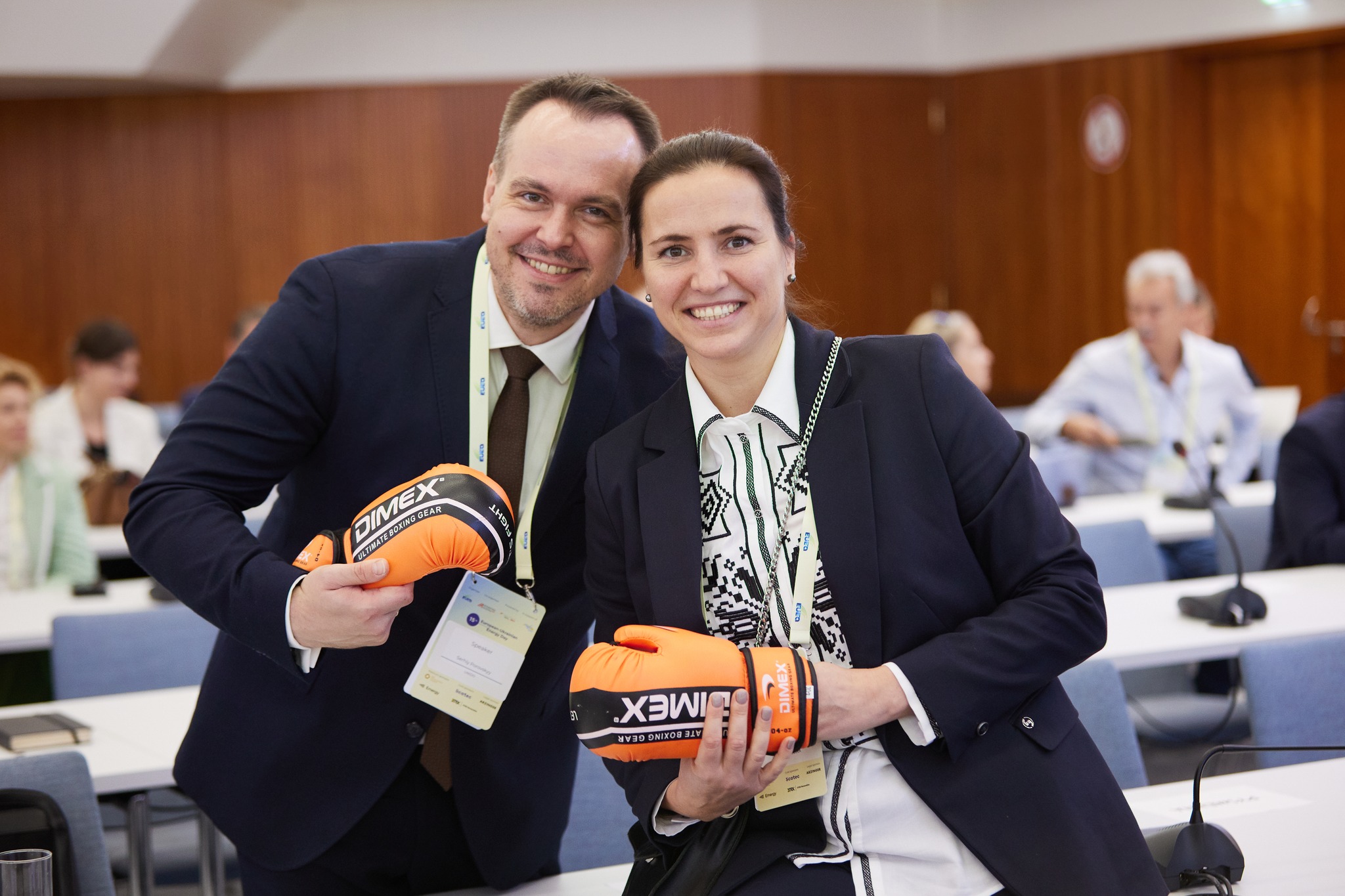
At the 15th European-Ukrainian Energy Day, a debate was organised between Serhiy Porovskyy, Principal Expert on Energy Efficiency Financing and Policy at UNIDO, and Olena Rybak, Managing Director at iC consulenten and Vice-chair of the EUEA Board, on the theme of “Building Back Better or Faster.” The discussion spotlighted contrasting approaches to Ukraine’s post-war recovery. Serhiy Porovskyy debated on the “For Better” side, advocating for a focus on resilience, sustainability, and innovation. He emphasized that Ukraine’s abundant natural resources, including rare earth metals, and the adaptability of its businesses present a unique opportunity to establish the country as a global leader in green technologies and sustainable development. Serhiy Porovskyy argued that a programmatic, well-planned approach to reconstruction would not only meet immediate needs but also ensure a long-term, scalable impact, enabling Ukraine to emerge stronger and more resilient.
Conversely, Olena Rybak underscored the urgency of “faster” rebuilding to address immediate needs, particularly for the millions of displaced Ukrainians lacking basic housing and infrastructure. She warned that delays associated with advanced technologies and complex planning could exacerbate emigration and economic challenges. Olena Rybak advocated for practical, cost-effective solutions that prioritize speed, suggesting that critical needs can be met now while leaving room for future upgrades and modernization.
The debate, which garnered diverse audience input, ultimately underscored the importance of balancing short-term priorities with strategic, sustainable planning.
Both speakers agreed that Ukraine’s recovery should mobilize its significant resources and human capital to build a future that is both resilient and livable. Serhiy Porovskyy emphasized better planning and programmatic strategies, while Olena Rybak focused on addressing immediate needs to stabilize the situation.
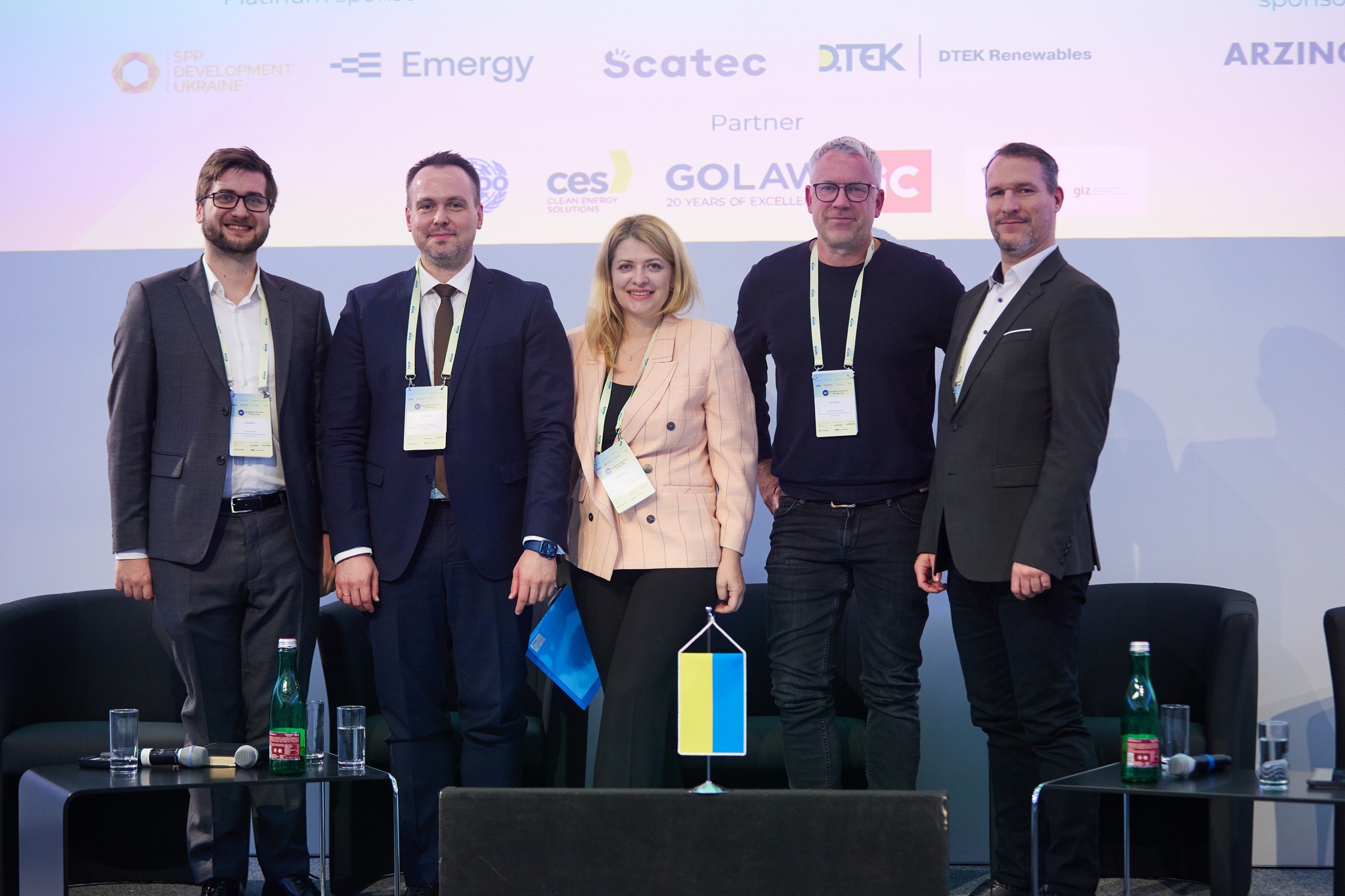
The overarching consensus was the necessity of balancing urgent reconstruction with strategic, sustainable development to rebuild a resilient Ukraine.
Participants in other panels also agreed that in the long term, the focus of rebuilding the energy sector should be on “better,” even though “faster” might provide temporary relief. Reconstruction is ongoing, and adaptations to align with the European market and legislation are already underway. This sector offers opportunities for “accelerated integration.” The necessary conditions for successfully reforming the energy sector as part of the reconstruction and on the path to EU membership are in place. The key now is to seize these opportunities and begin with a “better, greener, faster” approach.
Source:
Point of Contact Ukraine-Wiederaufbau – https://www.ukraine-wiederaufbau.at/aktuelles/2024/11/15th-european-ukrainian-energy-day-build-back-better-or-faster
Recording of the webinar: