

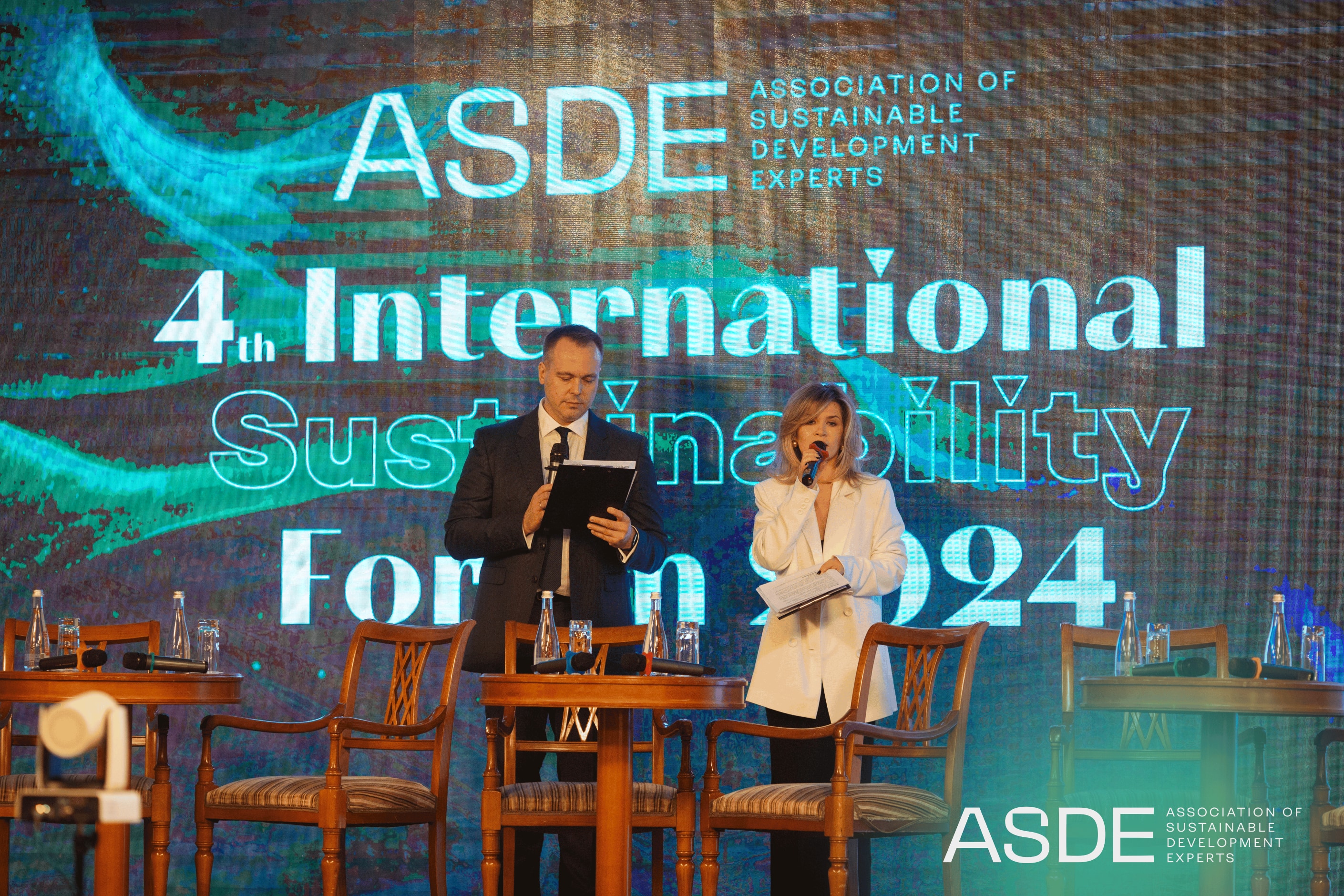
On October 24 and 25, the International Sustainability Forum 2024 was held for the fourth time in Kyiv and The Hague. The forum has been organized by the Association of Sustainable Development Experts (ASDE) for four consecutive years.
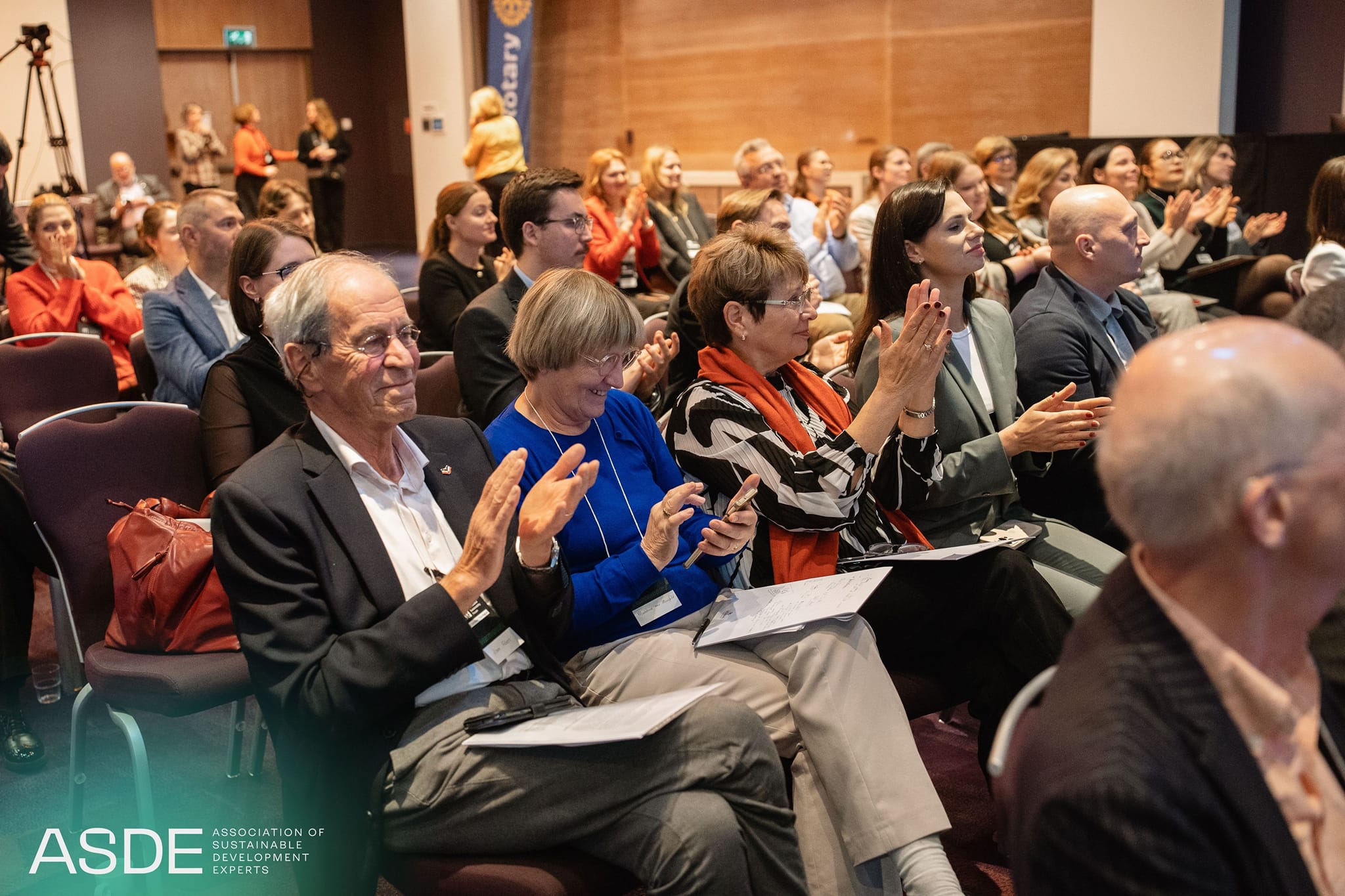
The event brought together over 700 participants, including leading sustainability experts, representatives of the executive and legislative branches of Ukraine, the business sector from Ukraine and the EU, non-governmental organizations and associations, UN programs, as well as diplomats and journalists.
UNIDO – United Nations Industrial Development Organization became a partner of the 4th International Sustainability Forum 2024. By collaborating with various stakeholders, UNIDO seeks to enhance the implementation of initiatives that support the achievement of the UN Sustainable Development Goals (SDGs), fostering inclusive and sustainable industrial development worldwide.
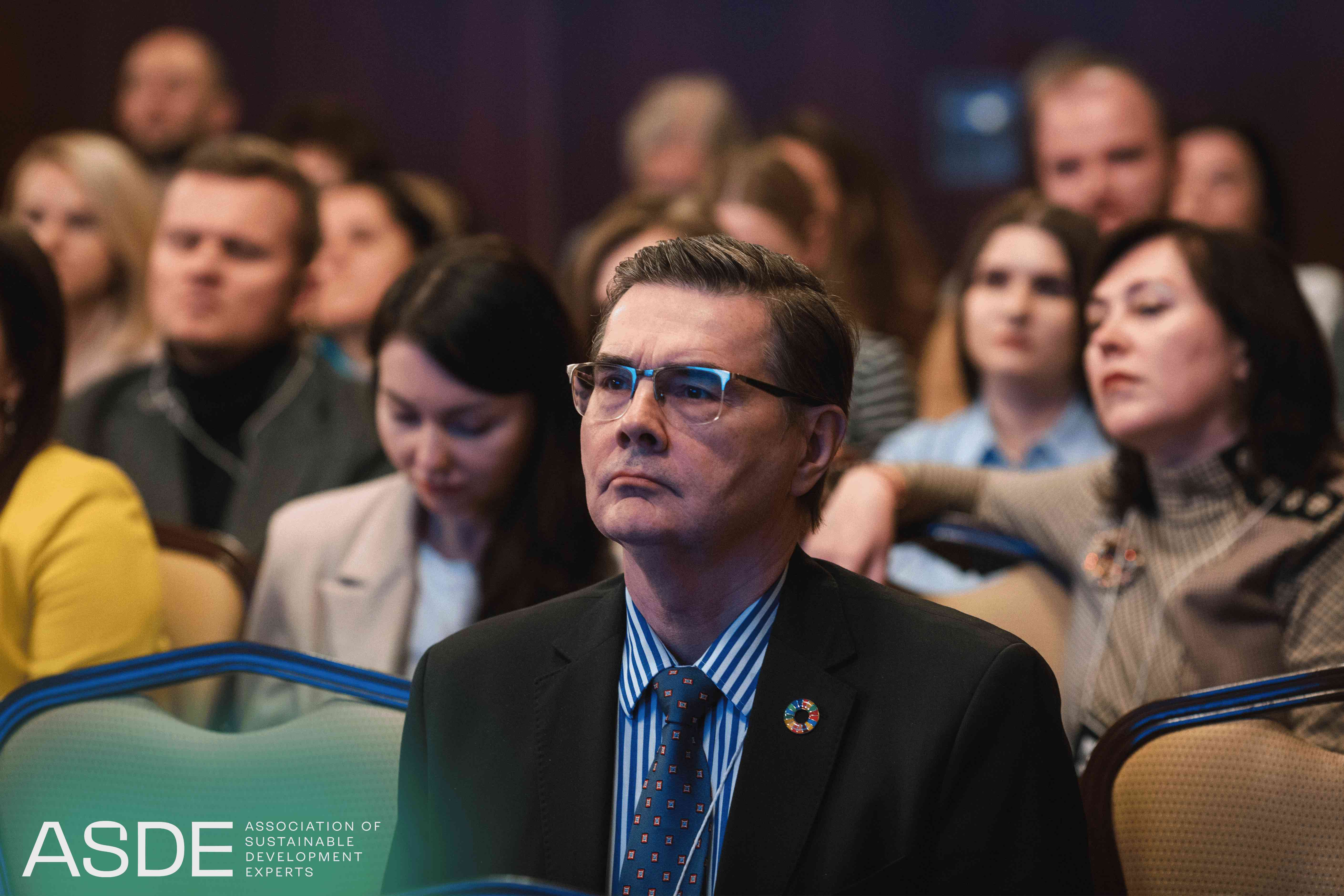
Participants included government structures such as the Ministry of Economy of Ukraine, the National Bank of Ukraine, the State Agency for Energy Efficiency and Energy Saving of Ukraine, the Ministry of Environmental Protection and Natural Resources of Ukraine, the NABU Association, financial institutions, and international organizations including IFC, EBRD, GIZ, UNIDO, JICA, UNDP in Ukraine, the International Renaissance Foundation, and various Ukrainian and international companies from different sectors of the economy, as well as non-governmental organizations, associations, the financial sector, and banks. Alexey Paschenko, National Coordinator of the UNIDO/GEF Project “Introduction of Energy Management System Standard in Ukraine’s Industry,” participated in the event.
Serhiy Porovskyy, Chairperson of the Advisory Board of ASDE and Principal Expert on Energy Efficiency Financing and Policy at UNIDO, Special Advisor to the Head of the State Agency for Energy Efficiency and Energy Saving of Ukraine, became a host of the event bringing over 17 years of professional experience in energy efficiency, renewable energy, greenhouse gas reduction, and climate change mitigation.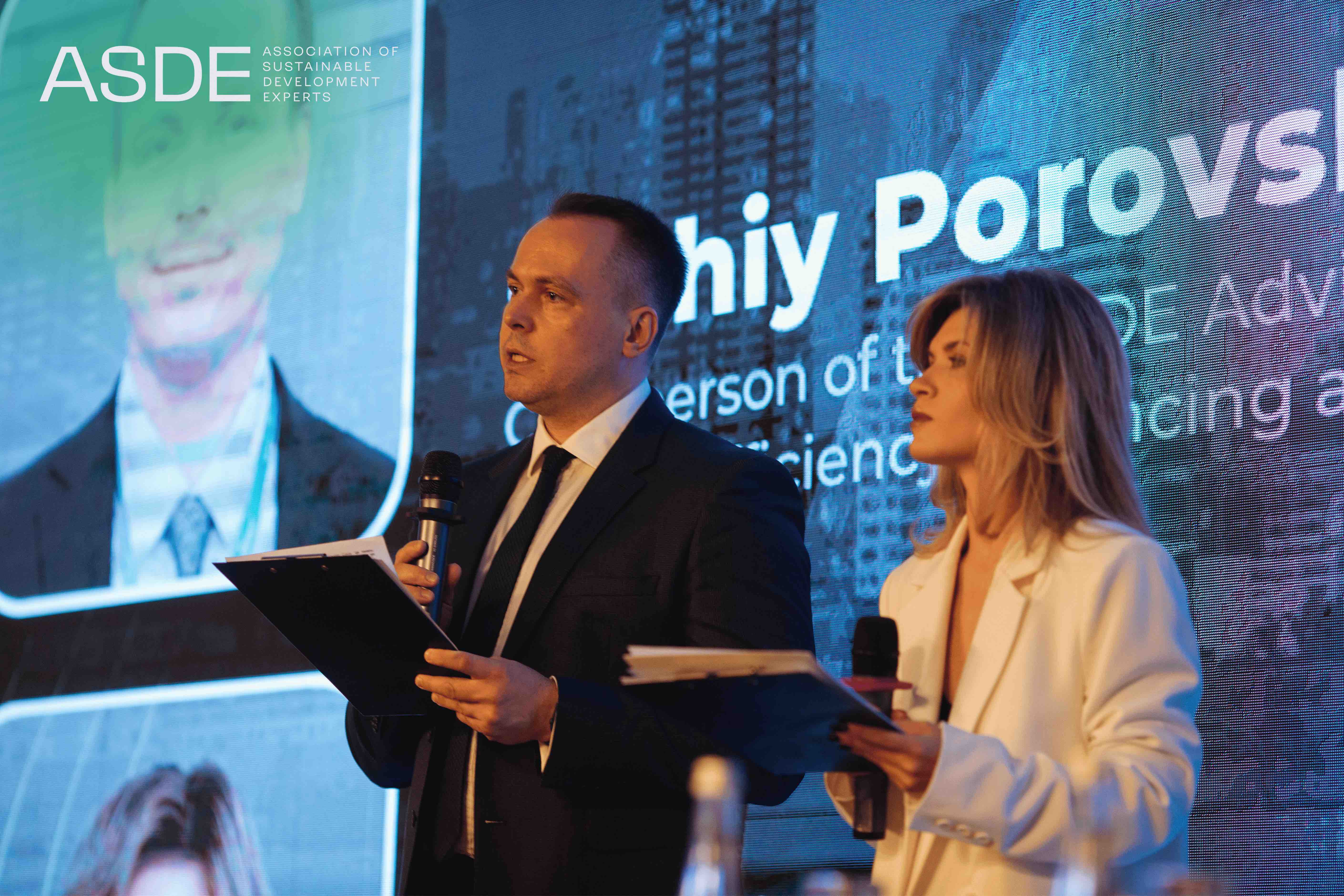
On October 24, the first day focused on Ukraine’s requirements in the Euro-integration process, the needs for economic growth based on sustainable development, the role and influence of donors during the war and post-war recovery, attracting financing and partnerships, and ESG disclosure as a pathway to social and economic change.
On October 25, the forum in The Hague was opened by Oleksandr Karasevych, Ambassador of Ukraine to the Kingdom of the Netherlands. The second day of the forum was dedicated to discussing topics of collaboration to strengthen resilience and post-war recovery in the region, building resilient and sustainable infrastructure, integrating principles of circular economy and resource efficiency into Ukraine’s recovery strategy, the role of human capital development in post-war recovery, and the impact of war on the food industry and agriculture.
Key points from the forum in Kyiv:

Olexiy Sobolev, First Deputy Minister of Economy, emphasized the importance of implementing the National Energy and Climate Plan for Ukraine’s “green transition” by 2030. Implementing over 100 policies in the plan will require around 114 billion euros, and attracting partners and investors is crucial.
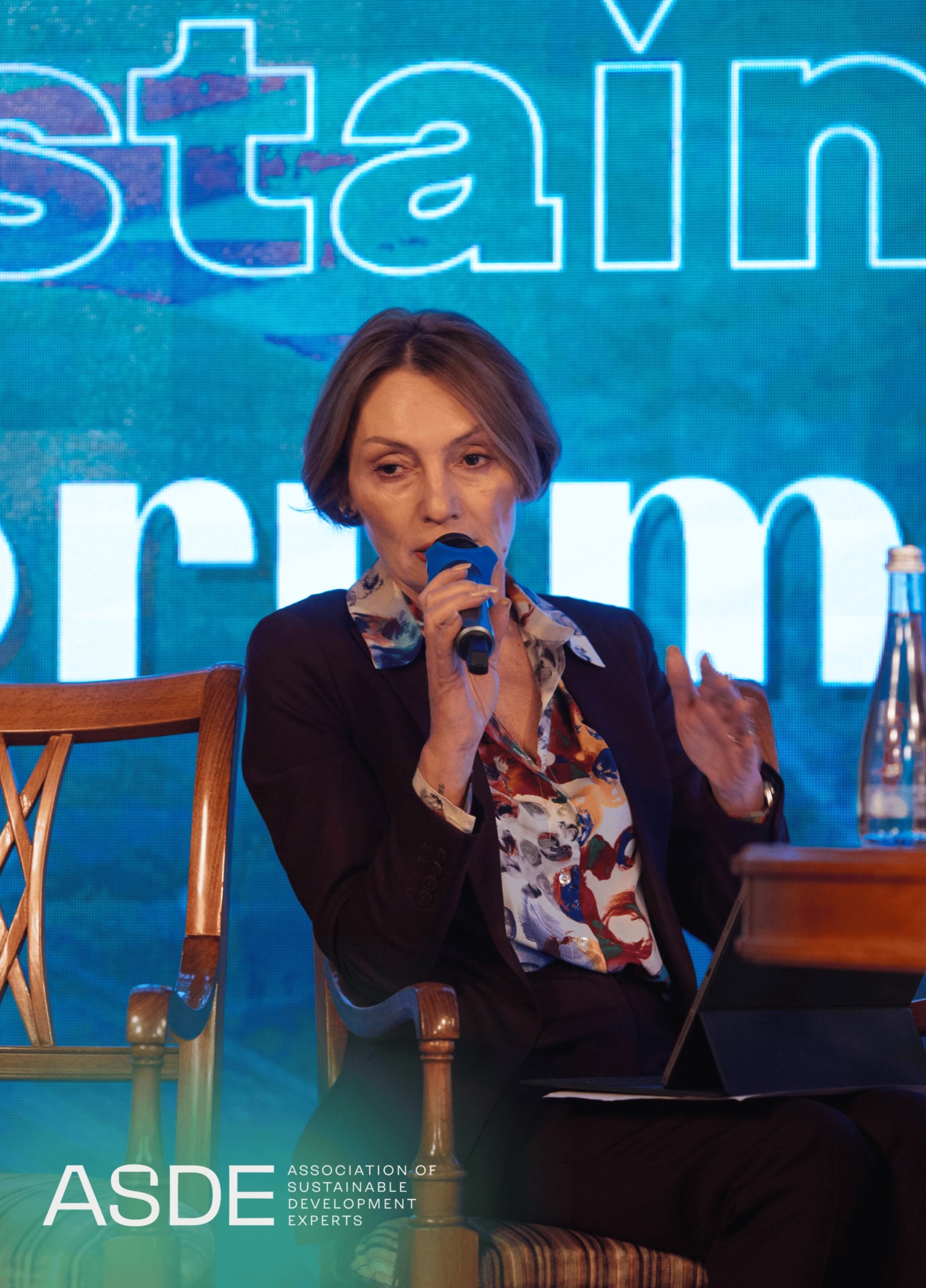
Kateryna Rozhkova, First Deputy Head of the National Bank, stressed the importance of social responsibility, including tax payments and legality of actions for both companies and citizens.
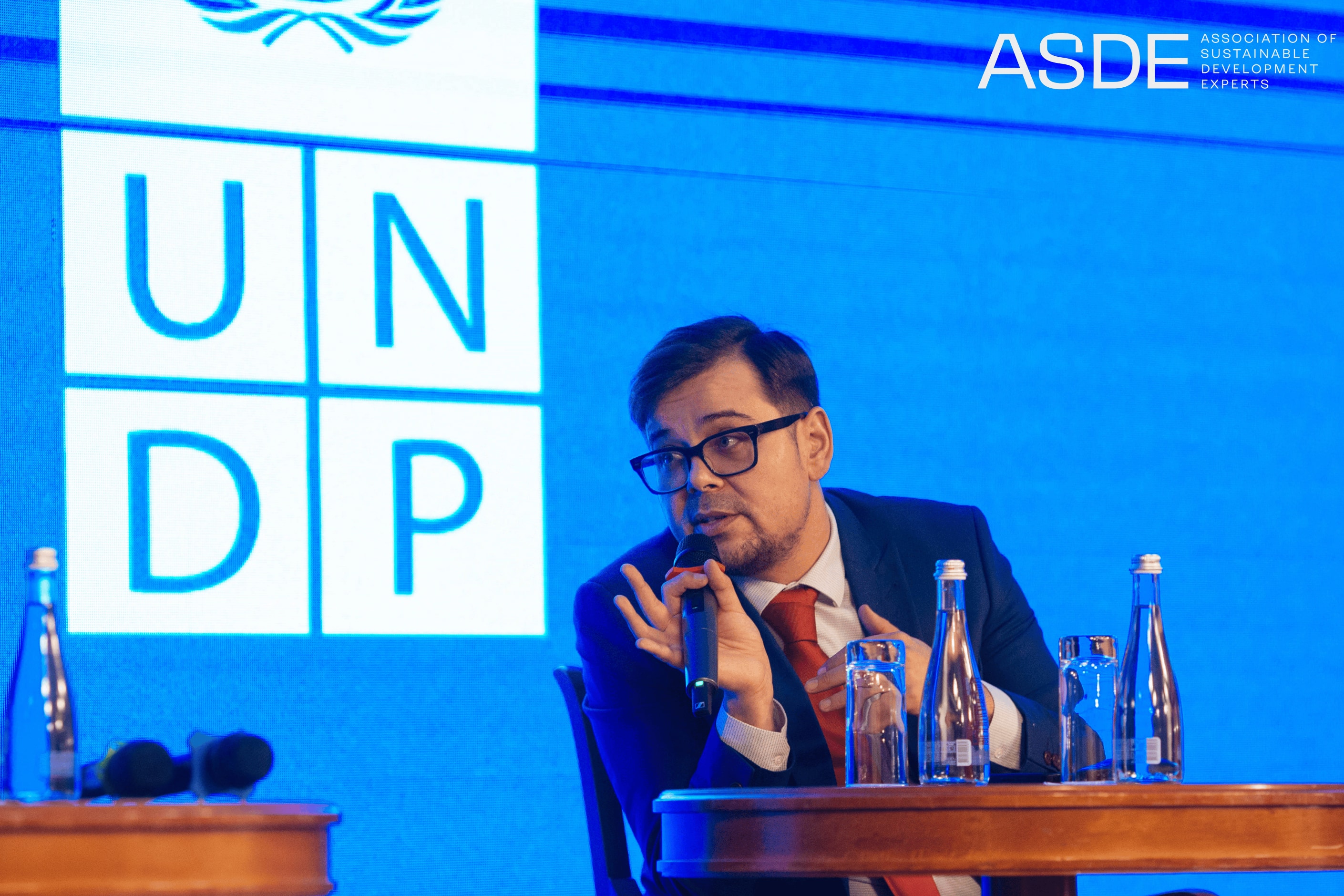
Roman Shakhmatenko from UNDP noted that the recovery process should begin now, focusing on the 4R approach (Reconstruction, Recovery, Reforms, Returns) to support Ukraine’s resilience.

Volodymyr Mudryi, Chairman of the Independent Association of Banks, highlighted the need for additional capital reserves and audits to avoid “greenwashing” and ensure sustainable development.
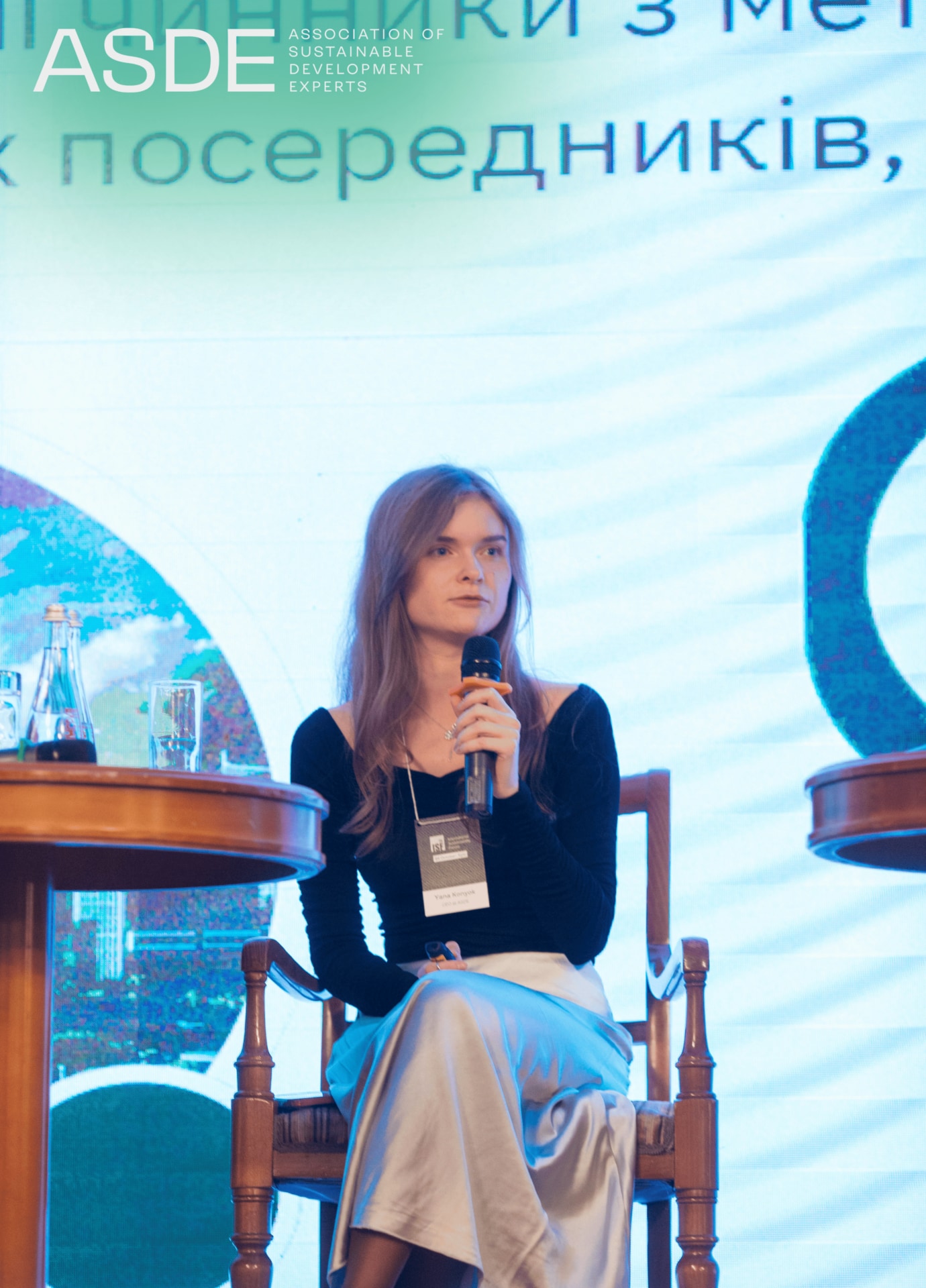
Yana Konyok from ASDE presented research on the integration of ESG in Ukraine’s banking sector: about half of banks understand and implement ESG, while one-third actively engages in social responsibility.

Ksenia Bahriy from AVgroup Consulting noted the growing demand for social and environmental audits, emphasizing that non-financial reporting is becoming a competitive advantage.
Key Points of the Forum in Hague:
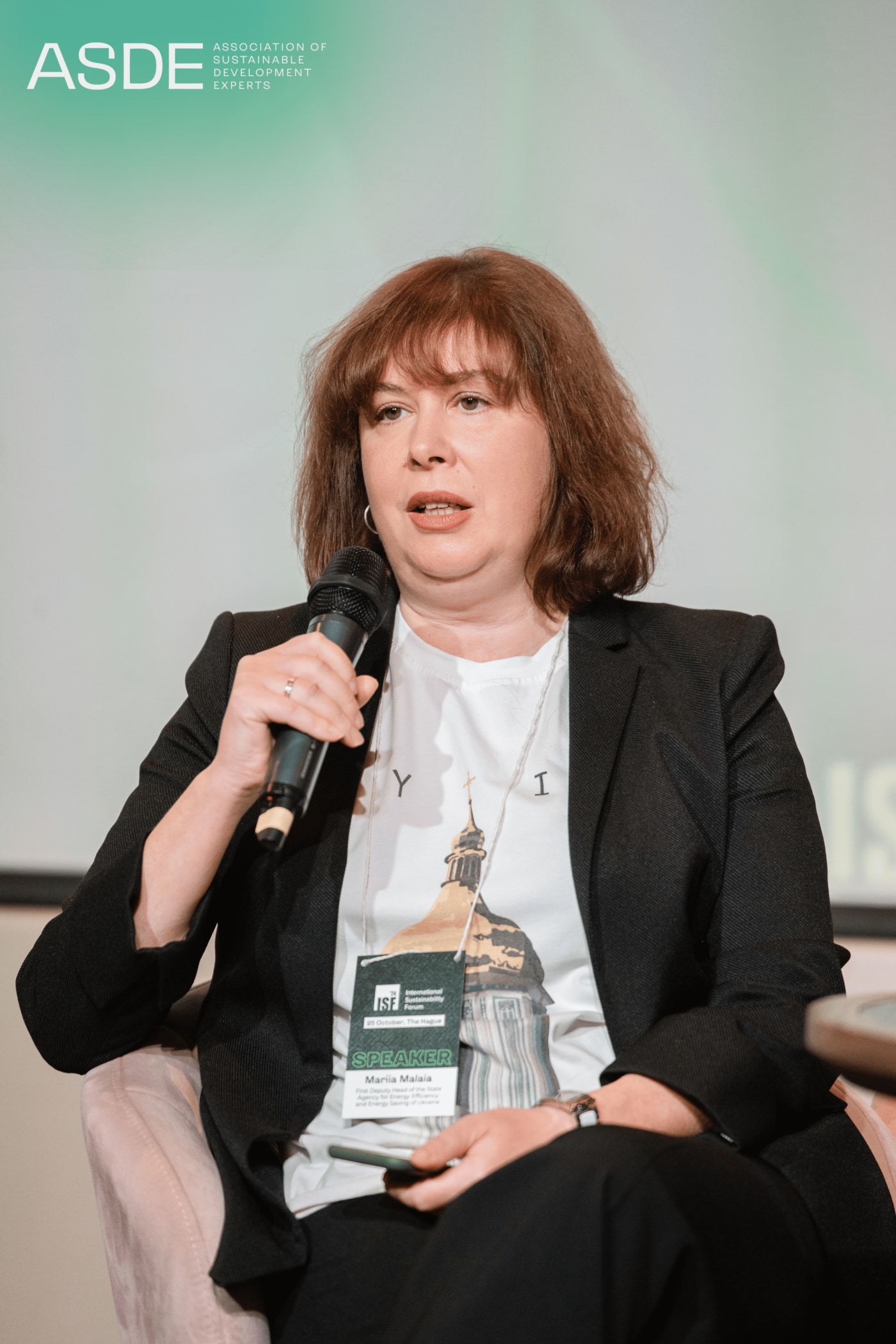
Maria Mala from the State Agency on Energy Efficiency and Energy Saving highlighted the importance of renewable energy and the Decarbonization Fund, which offers preferential loans to support sustainable energy solutions.
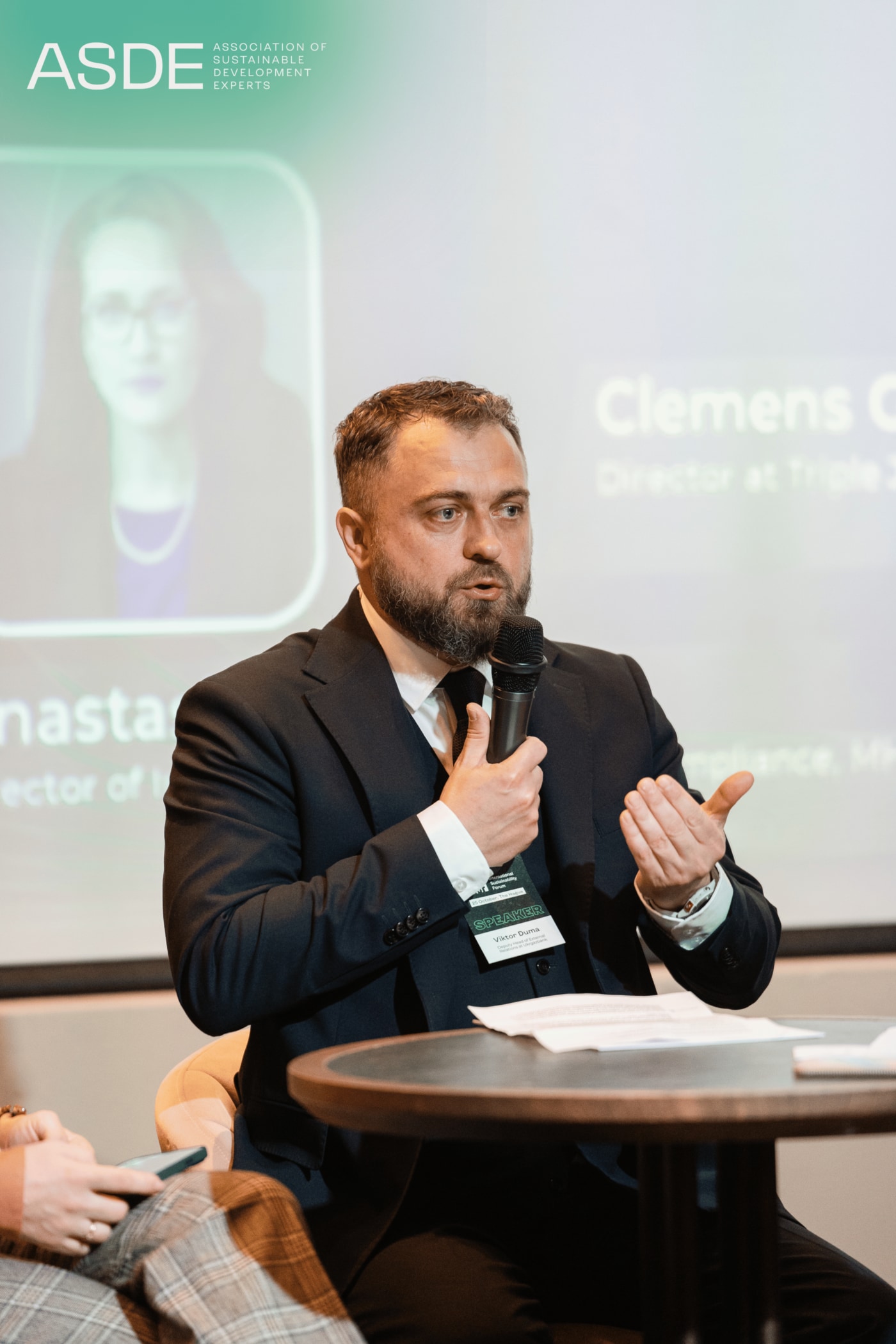
Viktor Duma from Ukrgazbank spoke about implementing a “green” banking system that supports energy resilience through collaboration with the EBRD and IFC.
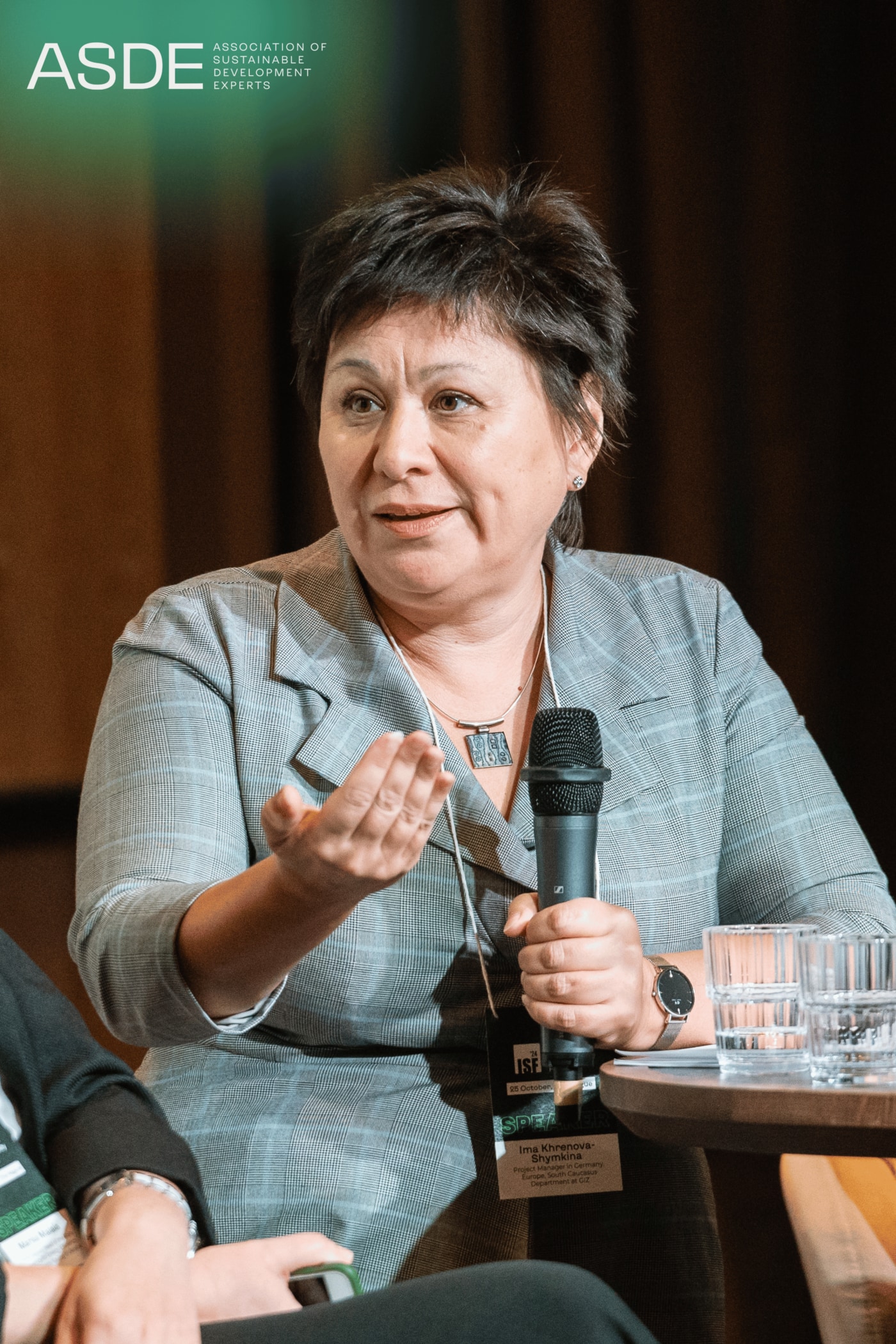
Ima Khrenova-Shymkina from GIZ identified five key factors for Ukraine’s resilience: security, innovation, education, resilience, and coordination of efforts.
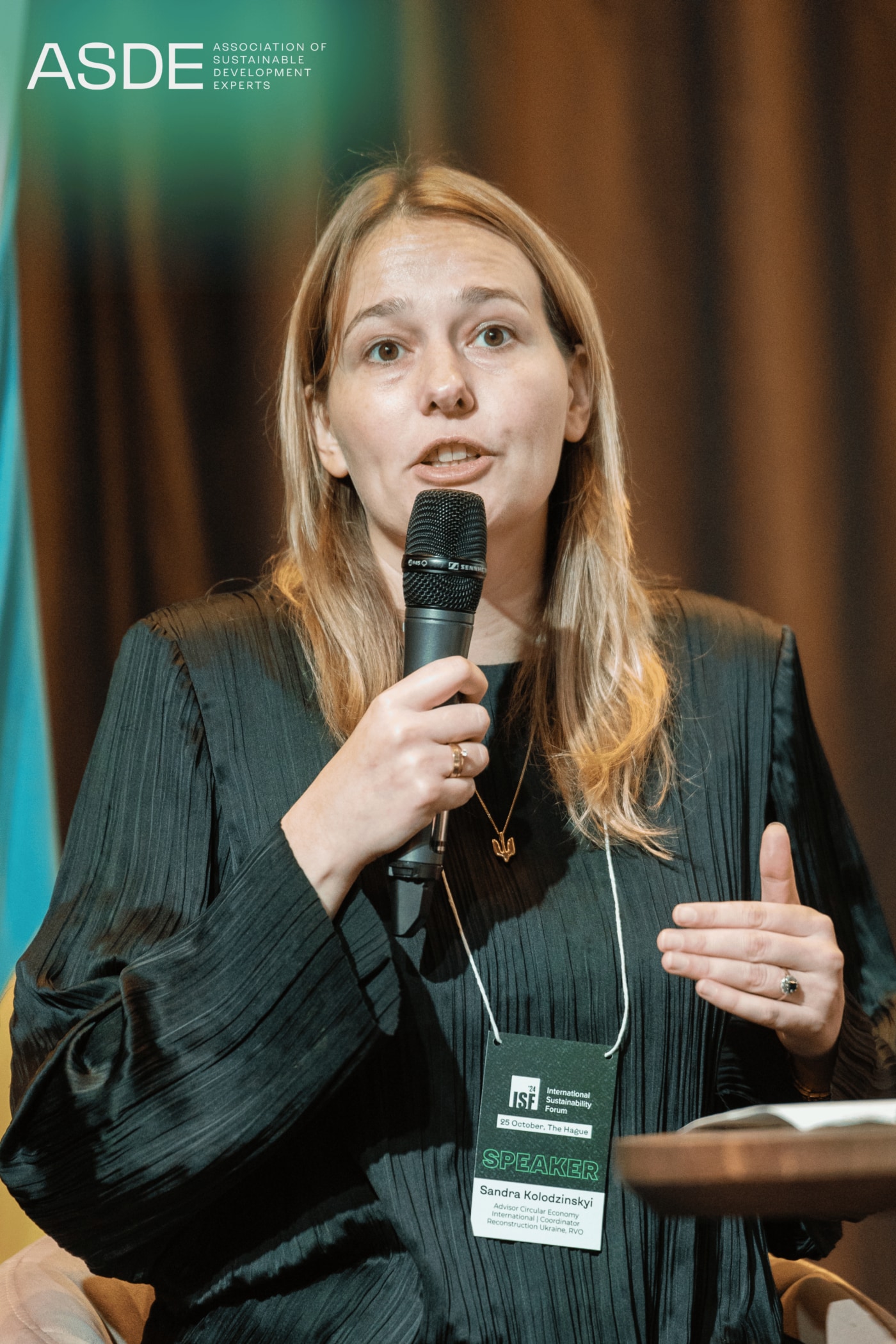
Sandra Kolodzinskyi from RVO emphasized the significance of the circular economy, especially in urban settings, and the government’s role in sustainable procurement and policies.

Andrii Zaripov from the World Bank noted the importance of financial support and knowledge for transitioning to climate-resilient development, particularly in the agri-sector, which opens additional opportunities for farmers through the sale of carbon credits.
Source: Property Times
Additional information about the Forum: https://asde.com.ua/isf24